


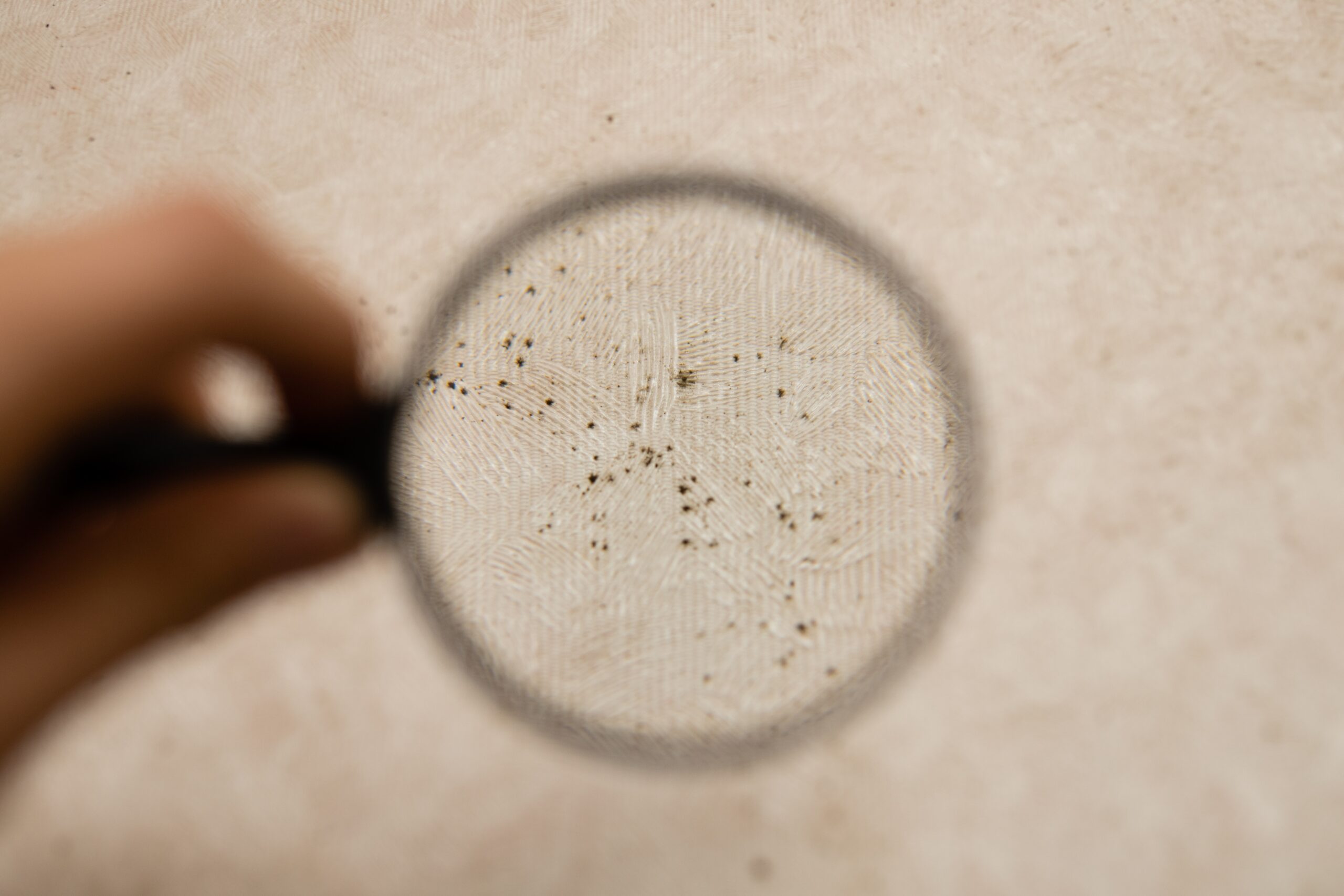
When a mold problem is discovered, the first instinct is often simple: remove what you can see, wipe down the surface, get rid of the stain, and move on. Once the wall looks clean or the odor fades for a few days, it’s easy to assume the space is safe again.
But mold doesn’t always follow what we can see.
A room can look freshly cleaned and still have airborne spores, contaminated dust, hidden growth, or indoor air quality concerns that weren’t fully addressed during cleanup. That’s why mold cleanup safety isn’t just about appearances. It’s about whether the affected environment has been properly investigated, contained, cleaned, and verified.
For homeowners, property managers, business owners, and building occupants, the biggest risk after a mold cleanup is false confidence. A surface may look better, but the indoor environment may still need professional evaluation.
The Problem With “Looks Clean”
Visible mold is only one part of a mold concern. Mold growth can leave behind spores, fragments, microbial debris, odors, and contaminated dust. Some of these particles can become airborne during demolition, cleaning, or disturbance of affected materials.
That means a cleaned surface doesn’t automatically tell you whether contamination was contained, whether hidden areas were inspected, or whether indoor air conditions have returned to a normal, acceptable range for that specific building.
In environmental health and safety, the question isn’t just, “Is the mold gone from the surface?”
The better question is: Was the affected environment properly evaluated before, during, and after cleanup?
What Mold Cleanup Can Miss
Even well-intentioned cleanup efforts can miss important parts of a mold problem. This is especially true when the work focuses solely on visible staining or odor control rather than a full environmental assessment.
Common issues that mold cleanup can miss include:
- Airborne mold spores: Mold spores can remain suspended in the air after visible growth is removed, especially if materials were disturbed without proper containment or air filtration.
- Contaminated dust: Spores and fragments can settle on floors, furniture, shelving, contents, and HVAC components.
- Hidden mold contamination: Mold can remain behind walls, beneath flooring, inside insulation, above ceiling tiles, or within HVAC systems.
- Porous materials: Drywall, insulation, carpet, ceiling tiles, and other porous materials may hold contamination below the surface.
- Cross-contamination: Improper remediation can spread contamination into areas that were not originally affected.
- Incomplete source identification: If the original cause wasn’t fully investigated, the same conditions may allow mold to return.
This is where an environmental investigation matters. A qualified assessment looks beyond the wipe-down. It considers building history, occupant complaints, visual observations, moisture patterns, air movement, containment practices, and the need for further testing.
Cross-Contamination: When Cleanup Spreads the Problem
One of the most overlooked safety issues in mold cleanup is cross-contamination.
Mold remediation often involves disturbing contaminated materials. If that work is done without proper containment, pressure control, protective procedures, and filtration, particles can travel beyond the original work area. Hallways, adjacent rooms, office areas, HVAC returns, storage rooms, and personal belongings may become contaminated even if they didn’t have visible mold before.
This can happen when workers remove drywall without containment, carry debris through clean areas, run fans that move contaminated air, fail to protect HVAC systems, or clean surfaces without addressing settled dust.
In other words, cleanup can make a building look better in one location while spreading mold-related particles elsewhere. That’s why a forensic approach is important. The goal isn’t just to remove what’s visible. It’s to understand whether the cleanup process protected the rest of the indoor environment.
Can mold still be a problem after cleanup?
Yes, mold can still be a problem after cleanup if contamination remains in the air, dust, hidden cavities, porous materials, or HVAC systems. Visible mold removal is not the same as environmental clearance.
A space may still need attention if:
- Mold spores remain airborne after visible mold is removed.
- Improper remediation spread contamination into unaffected areas.
- Odors or respiratory irritation continue after cleanup.
- Hidden mold remains behind walls, flooring, insulation, or HVAC components.
- No post-remediation verification was performed.
This doesn’t mean every cleaned space is unsafe. It means that appearance alone is not reliable evidence. Proper verification helps determine whether the work area and surrounding spaces were adequately addressed.
Myth vs. Fact: Mold Cleanup Safety
Myth: If I can’t see mold anymore, the space is safe.
Fact: Visible mold is only one indicator. Spores, fragments, contaminated dust, and hidden growth may remain after surfaces are cleaned.
Myth: A strong cleaner or disinfectant solves the problem.
Fact: Cleaning products may address surface staining or microbial growth on some hard materials, but they don’t confirm that contamination was contained, removed from porous materials, or cleared from the air.
Myth: If the smell is better, the mold problem is gone.
Fact: Odors can decrease temporarily and then return. Musty odors may indicate remaining moisture, microbial growth, contaminated materials, or HVAC-related distribution.
Myth: Air fresheners, ozone, or fragrance treatments fix mold.
Fact: Masking odor is not the same as removing contamination. Indoor health decisions should be based on investigation and evidence, not scent.
Myth: Post-remediation verification is only necessary for large buildings.
Fact: Post-remediation verification can be valuable in homes, offices, schools, healthcare-related settings, multi-unit buildings, and commercial properties—especially when occupants have concerns or when remediation was performed by another party.
Signs a Space May Still Have Air Quality Issues
After mold cleanup, it’s worth paying attention to how the space behaves over time. Some concerns show up immediately. Others appear days or weeks later as the building returns to normal use.
Signs that a space may still have air quality issues include:
- A musty, earthy, damp, or sour odor that returns after cleaning
- Coughing, sneezing, throat irritation, headaches, or respiratory discomfort that seems worse in the building
- Dusty conditions after remediation work
- Visible residue near vents, returns, or work areas
- Complaints from occupants in rooms near the original mold problem
- Staining that reappears on walls, ceilings, baseboards, or contents
- HVAC operation that seems to spread odor from room to room
- A cleanup process that didn’t include containment, filtration, or documentation
- No independent inspection after remediation was completed
Symptoms alone can’t diagnose a mold problem, and mold testing can’t determine individual medical risk. However, building-related complaints are an important reason to evaluate the indoor environment more carefully.
Why Hidden Mold Contamination Matters
Hidden mold contamination is one reason a clean-looking room may still be a concern.
Mold can grow where moisture reaches, but the cleanup didn’t. That may include wall cavities, insulation, subflooring, carpet backing, ceiling spaces, crawlspaces, cabinet bases, and HVAC components. In commercial buildings, hidden contamination may also be found around mechanical rooms, pipe chases, roof leaks, exterior wall assemblies, or areas affected by previous water intrusion.
Hidden mold isn’t always obvious from the occupied side of a room. It may show up as odor, recurring staining, unusual dust, occupant complaints, or elevated mold indicators during an environmental assessment.
A proper investigation may include a visual inspection, moisture mapping, thermal imaging when appropriate, particle or spore assessment, surface sampling, HVAC evaluation, and review of remediation documentation. The goal is not to test randomly. The goal is to answer a specific question: Was the source and extent of contamination properly addressed?
Why Post-Remediation Verification Matters
Post-remediation verification, sometimes called PRV or clearance inspection, is the process of evaluating whether remediation work met its intended objective. It should ideally be performed by an independent environmental professional, not the same party responsible for the cleanup.
A post-remediation verification inspection may include:
- Review of the original scope of work
- Visual inspection of the remediated area
- Assessment of containment and work practices
- Moisture readings to confirm affected materials are dry
- Evaluation for dust, debris, staining, or remaining suspect materials
- Air and/or surface sampling when appropriate
- Comparison of indoor and outdoor conditions
- Written findings and recommendations
The value of PRV lies in replacing guesswork with evidence. It helps property owners understand whether cleanup was complete, whether additional work is needed, and whether the space is ready for reconstruction or re-occupancy.
Without verification, it’s difficult to know whether a mold issue was truly resolved or simply made less visible.
Environmental Testing Is About Context, Not Fear
Mold testing is often misunderstood. It shouldn’t be used as a scare tactic, nor should it be treated as a standalone answer. The most useful environmental testing is targeted, interpreted in context, and tied to a clear inspection strategy.
For example, air samples may help assess whether indoor spore levels or mold types appear unusual relative to outdoor conditions or unaffected areas. Surface samples may help determine whether a cleaned area still has settled contamination. Moisture readings can help identify whether materials are still supporting growth. HVAC inspections can help determine whether particles may be moving through the building.
The science matters because mold is an environmental issue. It moves with air, dust, moisture, materials, and human activity. A trustworthy assessment considers all those factors rather than relying on a single swab, a single smell, or a clean-looking wall.
When to Schedule a Mold Assessment or Indoor Air Quality Evaluation
Consider scheduling a mold assessment, indoor air quality evaluation, or post-remediation verification inspection if:
- A mold cleanup was completed but no independent clearance was performed
- Odors remain or return after cleanup
- Occupants still report irritation or respiratory discomfort
- The remediation involved demolition or disturbed materials
- The affected area was near HVAC equipment or air returns
- There’s concern about hidden mold contamination
- You’re buying, leasing, or re-occupying a previously affected property
- You need documentation for property management, insurance, legal, or workplace safety reasons
A professional assessment can help determine whether the environment was properly addressed and whether further investigation is warranted.
A Clean Surface Isn’t the Same as a Healthy Indoor Environment
After a mold problem, “clean” can be misleading. A space may look normal while still carrying signs of contamination, hidden growth, or poor remediation practices. The goal isn’t to create fear. It’s to make informed decisions based on evidence.
LAQ Environmental Health & Safety provides mold assessments, indoor air quality evaluations, and post-remediation verification inspections to help property owners, managers, and occupants understand what’s happening inside their buildings.
If you’ve had mold cleanup performed and want confidence that the environment was properly addressed, schedule a professional mold assessment or post-remediation verification inspection with LAQ Environmental Health & Safety.
Call LAQ Environmental Health & Safety or visit laqehs.com to request an indoor environmental evaluation.