


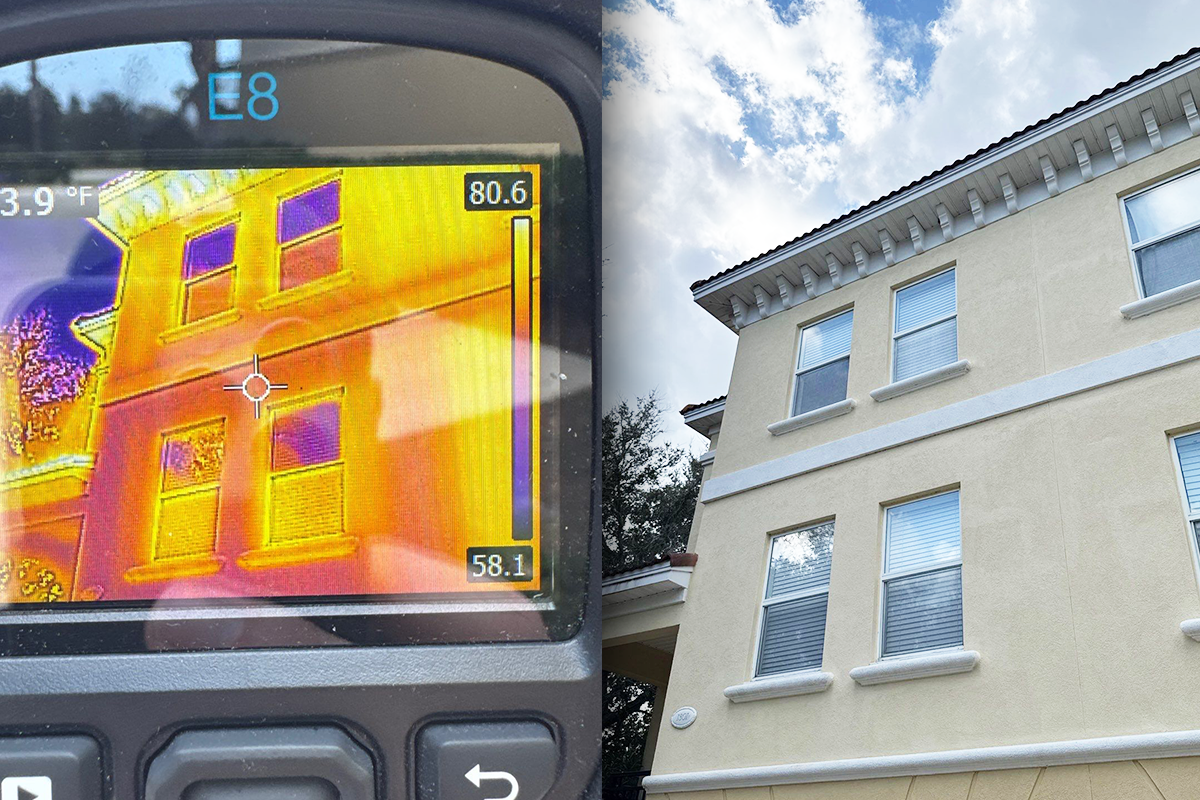
When a leak stops or a flooded area dries, many building owners assume the problem is resolved. Surfaces look normal, carpets feel dry, and operations return to normal. Unfortunately, this is where one of the most misunderstood environmental risks in buildings begins.
Hidden water damage often remains inside wall cavities, beneath flooring, and within HVAC systems long after visible moisture disappears. Weeks later, this trapped moisture can trigger mold growth, indoor air quality issues, and costly structural problems that were never visible on the surface.
Understanding how water damage affects indoor air quality is critical for property managers, facility directors, and building owners who want to avoid long-term environmental risks.
Why Buildings Can Stay Wet After a Leak
Water rarely dries evenly in buildings. While exposed surfaces may dry quickly, moisture behind walls creates mold risks because hidden materials retain water much longer.
Common building materials such as drywall, insulation, subflooring, and wood framing are porous. Once water penetrates these materials, evaporation becomes slow and uneven.
Several factors make hidden water damage especially difficult to detect:
- Wall cavities trap moisture where air circulation is limited
- Flooring systems absorb water beneath visible surfaces
- Insulation holds moisture long after drywall feels dry
- HVAC systems distribute humidity throughout interior spaces
- Temperature differences slow evaporation inside structural materials
Because these areas are concealed, moisture can remain for weeks or months before problems appear.
This is why building science professionals often stress that visible dryness does not equal full drying.
Hidden Warning Signs Property Owners Miss
Many building owners only recognize water damage when stains or structural issues appear. However, subtle environmental indicators often develop earlier.
Common warning signs of hidden water damage include:
- Musty odors that persist after an area appears dry
- Minor discoloration on walls or ceilings
- Slight warping or buckling of flooring materials
- Localized humidity differences between rooms
- Recurring condensation on HVAC vents or windows
These symptoms can indicate that moisture behind walls creates mold risks, even when no visible mold is present.
As moisture remains trapped, microbial growth may develop in insulation, drywall backing, or duct systems. These areas are rarely inspected during routine maintenance.
Over time, these hidden issues can significantly impact occupant health and comfort as water damage affects indoor air quality through airborne particles and microbial byproducts.
When Environmental Testing Is Recommended After Water Damage
Not every leak requires environmental testing. However, testing is often recommended when moisture exposure may have affected concealed building components.
Situations where environmental diagnostics are commonly recommended include:
- Water damage that lasted more than 24–48 hours
- Flooding events affecting multiple rooms or floors
- Recurring plumbing leaks inside walls or ceilings
- Musty odors that remain after cleanup
- Buildings experiencing unexplained indoor air quality complaints
Environmental investigations can help determine whether hidden water damage remains within structural materials or HVAC systems.
Professional moisture mapping, indoor air quality assessments, and microbial testing provide building owners with objective data about the environmental condition of affected areas.
These evaluations help identify whether moisture behind walls creates mold risks before contamination spreads further through the building.
For many facilities, early diagnostics can prevent much larger remediation projects later.
Can Mold Grow Even if a Building Looks Completely Dry After Water Damage?
Yes. Mold growth can begin even when surfaces appear dry because moisture may still be trapped inside structural materials.
Signs Moisture May Still Be Present After Water Damage
Persistent musty or damp odors. Odors often indicate microbial growth occurring in concealed areas such as wall cavities or insulation.
Warped flooring or subtle wall discoloration. Small visual changes can signal that materials beneath the surface remain damp.
HVAC systems spreading humidity unevenly. Ventilation systems can circulate moisture throughout a building, allowing mold growth to occur in ductwork or air handlers.
Allergy or respiratory symptoms indoors. When water damage affects indoor air quality, occupants may notice increased allergies, coughing, or irritation while inside the building.
Moisture trapped inside insulation or wall cavities. Even when drywall appears dry, insulation behind it may still contain moisture capable of supporting mold growth.
Why Early Environmental Diagnostics Matter
Hidden moisture problems rarely resolve on their own. In many cases, they worsen slowly until symptoms become obvious.
Identifying hidden water damage early allows building owners to address the underlying cause before mold growth, structural damage, or indoor air quality problems spread.
Our environmental diagnostic services (such as moisture mapping, indoor air testing, and building investigations) provide the information needed to understand how water damage affects indoor air quality and building health over time.
For property owners and facility managers, proactive assessment is often the most effective way to reduce long-term environmental risk.