


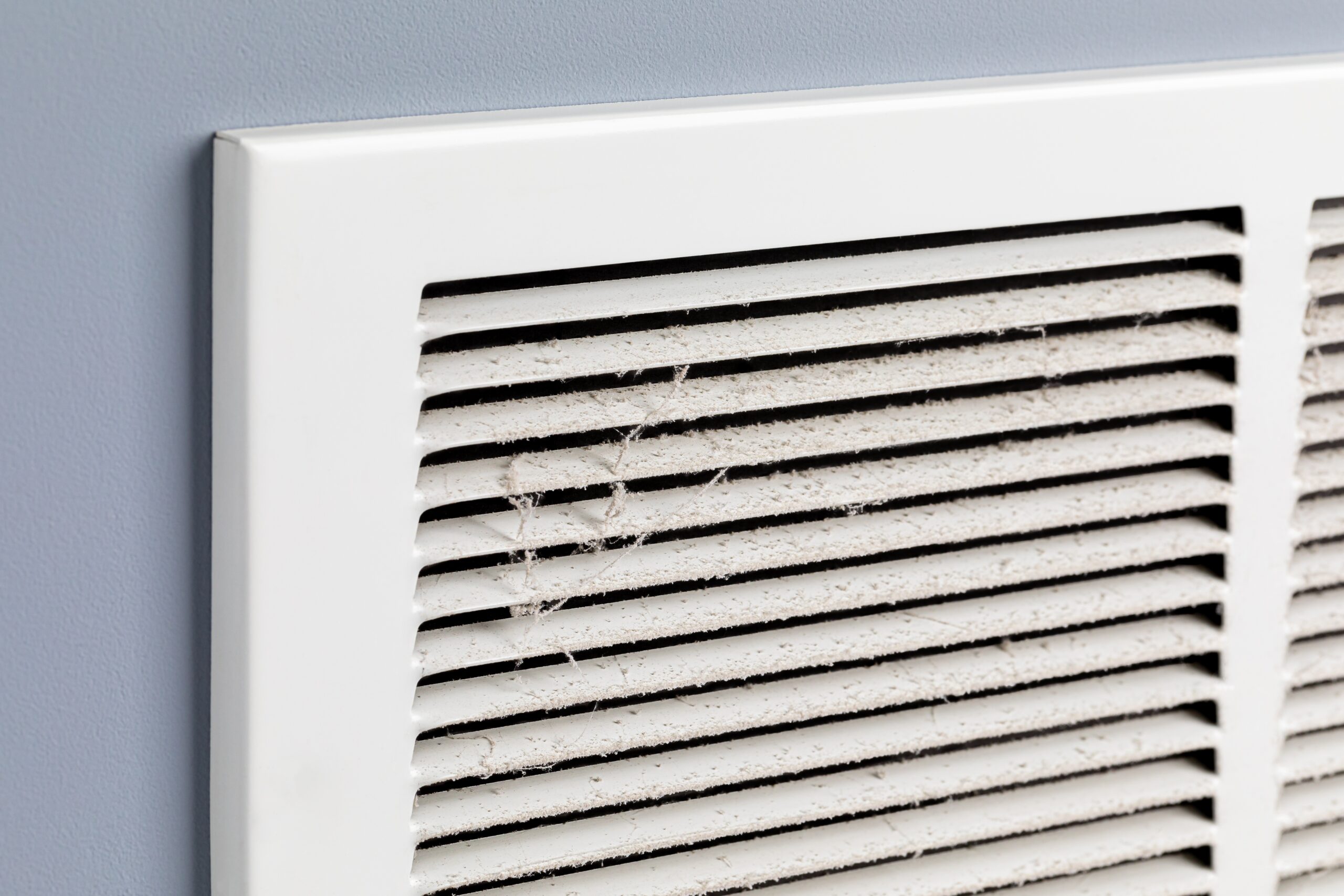
When Florida summer settles in, your AC does a lot more than cool the house. In June and July, it often runs for hours at a time while windows stay shut, doors open less often, and humid outdoor air lingers around every entry point. That’s when many residents first start noticing signs of indoor air-quality allergens in their homes.
The first clue usually isn’t a visible problem. It’s the way the home feels.
Maybe the air feels stuffy even though the thermostat says it’s cool. Maybe your allergies flare up every time you spend the evening indoors. Maybe one room smells musty when the AC kicks on, or you wake up congested even though you felt fine the day before.
Those everyday symptoms can be easy to dismiss as “just summer allergies,” but in Florida homes, summer allergy symptoms indoors may point to something circulating through the air instead of something blooming outside.
Why Summer Is Peak Allergen Season Indoors
In many parts of the country, allergy season is associated with spring pollen. In Florida, the story is a little different. Warmth, moisture, and long cooling cycles can make summer a prime time for indoor air quality complaints.
During June and July, homeowners naturally try to keep the outdoor heat and humidity outside. Windows stay closed. Doors don’t stay open for long. The AC runs constantly to keep up. While that makes sense for comfort and energy use, it also means indoor air may recirculate through the same system again and again.
If dust, pet dander, mold spores, pollen, or other airborne particles are already inside the home, continuous AC use can keep them moving. If indoor humidity is elevated, certain materials and surfaces may remain damp enough to support musty odors or microbial growth.
That’s why a home can feel clean and still feel “off.” You may not see visible growth. You may not notice dust on surfaces. But the air can still carry irritants that affect comfort, breathing, sleep, and allergy-like symptoms.
What Causes Poor Indoor Air Quality in Summer?
Closed windows and constant AC use trap humidity and allergens indoors during Florida summers.
Dust, pet dander, and mold spores circulate more when HVAC systems run continuously.
Musty odors or recurring allergy symptoms can signal a buildup of indoor airborne contaminants.
Indoor air quality assessments can identify specific allergen sources that visual inspection alone misses.
In other words, summer indoor air issues aren’t always caused by one dramatic problem. They’re often caused by a combination of moisture, recirculated air, sealed living spaces, and contaminants that build up quietly over time.
Signs Your Vents May Be Part of the Problem
Your AC vents don’t have to look dirty to be affected by an indoor air quality issue. In fact, many homeowners notice changes in physical comfort long before they notice anything unusual around a vent.
Common signs include:
- Allergy symptoms that get worse indoors
- Sneezing, congestion, itchy eyes, or throat irritation at home
- A musty smell when the AC turns on
- Rooms that feel stuffy even when they’re cool
- Headaches or fatigue that seem stronger in certain areas of the house
- Dust returns quickly after cleaning
- Symptoms that improve when you leave the home
- One bedroom, hallway, or living area that consistently smells different
None of these signs automatically proves there’s mold or a major air quality issue. They do, however, give you a reason to pay attention. Patterns matter. If symptoms keep appearing in the same place, at the same time of day, or when the AC runs, the air delivery system may warrant a closer look.
What Might Be Moving Through the Air?
The phrase “what’s living in your vents” can sound dramatic, but the real issue is usually about what’s being collected, disturbed, or circulated.
In Florida homes, common indoor air irritants can include dust, pet dander, pollen tracked in from outside, mold spores, and particles from damp building materials. These may settle in or around vents, filters, returns, nearby surfaces, or hidden areas affected by moisture.
The vents themselves may not be the original source. They may simply be part of the pathway. For example, a hidden moisture issue in one area of the home may contribute to a musty odor that becomes more noticeable when air starts moving. A clogged or overdue filter may allow more particles to remain in circulation. A humid room may feel heavier and more irritating than the rest of the house.
That’s why guessing can be frustrating. The symptom is real, but the cause may be hidden.
Why Musty Smells Deserve Attention
A musty smell is one of the most common clues homeowners notice before scheduling an indoor air quality assessment. It may show up after heavy rain, when the AC first turns on, or in rooms that don’t get much airflow.
Musty odors often suggest excess moisture somewhere in the environment. That doesn’t always mean there’s a large visible mold problem, but it does mean the home is giving you useful information.
In Florida, moisture can come from many places: condensation, roof or plumbing leaks, damp materials, poor drainage, high indoor humidity, or past water intrusion that looked dry on the surface. When that moisture interacts with dust, porous materials, or stagnant air, the result can be a smell occupants notice before anything appears obvious.
The important thing is not to panic. It’s to investigate the pattern.
Why “Clean” Doesn’t Always Mean Clear
Many homeowners respond to allergy-like symptoms by cleaning more often. That’s understandable, and regular cleaning can help reduce dust and surface allergens. But some indoor air quality issues can’t be solved with surface cleaning alone.
Air moves through returns, vents, wall cavities, closets, attics, and rooms with different humidity conditions. If the issue is connected to moisture, filtration, air circulation, or hidden contamination, wiping surfaces may only address part of the problem.
That’s especially true when symptoms return quickly after cleaning. If the house looks clean but still feels stale, smells musty, or triggers recurring indoor allergy symptoms, the source may be beyond what you can see.
What an Indoor Air Quality Assessment Can Help Identify
An indoor air quality assessment or healthy building checkup looks beyond the obvious. Rather than assuming the vents are the problem, a professional assessment considers the entire environment.
That may include looking for moisture clues, checking areas around vents and returns, evaluating humidity concerns, reviewing visible staining or water damage, and identifying conditions that may support the growth of airborne irritants. Depending on the concern, testing may help determine whether mold spores, allergens, or other indoor contaminants are contributing to occupant complaints.
This matters because visual inspection alone can miss hidden sources. A room can smell musty without obvious visible growth. A home can feel stuffy because of humidity, filtration, airflow, or contamination patterns. An assessment helps separate guesswork from evidence.
For homeowners, that can bring peace of mind. You don’t have to wonder whether the symptoms are “just allergies” or whether something in the home is making them worse.
When Should You Schedule a Healthy Building Checkup?
Consider scheduling an indoor air quality assessment if symptoms are recurring, location-specific, or tied to AC use.
A healthy building checkup may be especially helpful if:
- Allergy-like symptoms are worse at home than outside
- A musty odor returns after cleaning
- One room consistently feels damp, heavy, or stale
- You’ve had a previous leak, roof issue, or water intrusion
- Family members often wake up congested
- Symptoms improve when you leave the house
- You’re unsure whether humidity is being controlled properly
You don’t need to wait until there’s a visible issue. In many cases, the earliest and most useful clues come from the people living in the space.
FAQ: Summer Indoor Air Quality in Florida Homes
Can AC vents make allergy symptoms worse?
AC vents may contribute to allergy symptoms if they’re circulating dust, dander, mold spores, or other airborne particles through the home. The vents may not be the original source, but they can help move irritants from one area to another.
Why does my house smell musty when the AC turns on?
A musty smell when the AC starts may indicate moisture, dust buildup, microbial growth, or damp materials somewhere along the air pathway. If the odor keeps returning, it’s worth having the home evaluated rather than masking the smell.
Are summer allergy symptoms indoors common in Florida?
Yes, many Florida residents notice indoor allergy-like symptoms during the summer because homes stay closed up while AC systems run frequently. This can allow humidity and indoor allergens to build up or recirculate.
Do I need testing if I don’t see mold?
Not always, but visible mold isn’t the only sign of an indoor air quality concern. Recurring odors, symptoms, humidity complaints, or rooms people avoid can all be reasons to schedule an assessment.
Breathe Easier This Summer
Florida summers are tough on homes and the people inside them. When the AC runs constantly, windows stay shut, and humidity has nowhere to go, indoor air can start to feel stale, heavy, or irritating.
If you’re noticing stuffiness, musty smells, or recurring allergy flare-ups inside your home, don’t ignore the pattern. Luce Air Quality Environmental Health & Safety can help identify what may be affecting your indoor environment through an indoor air quality assessment or healthy building checkup.
Schedule an assessment today and get a clearer picture of what’s really moving through your home’s air this summer.