


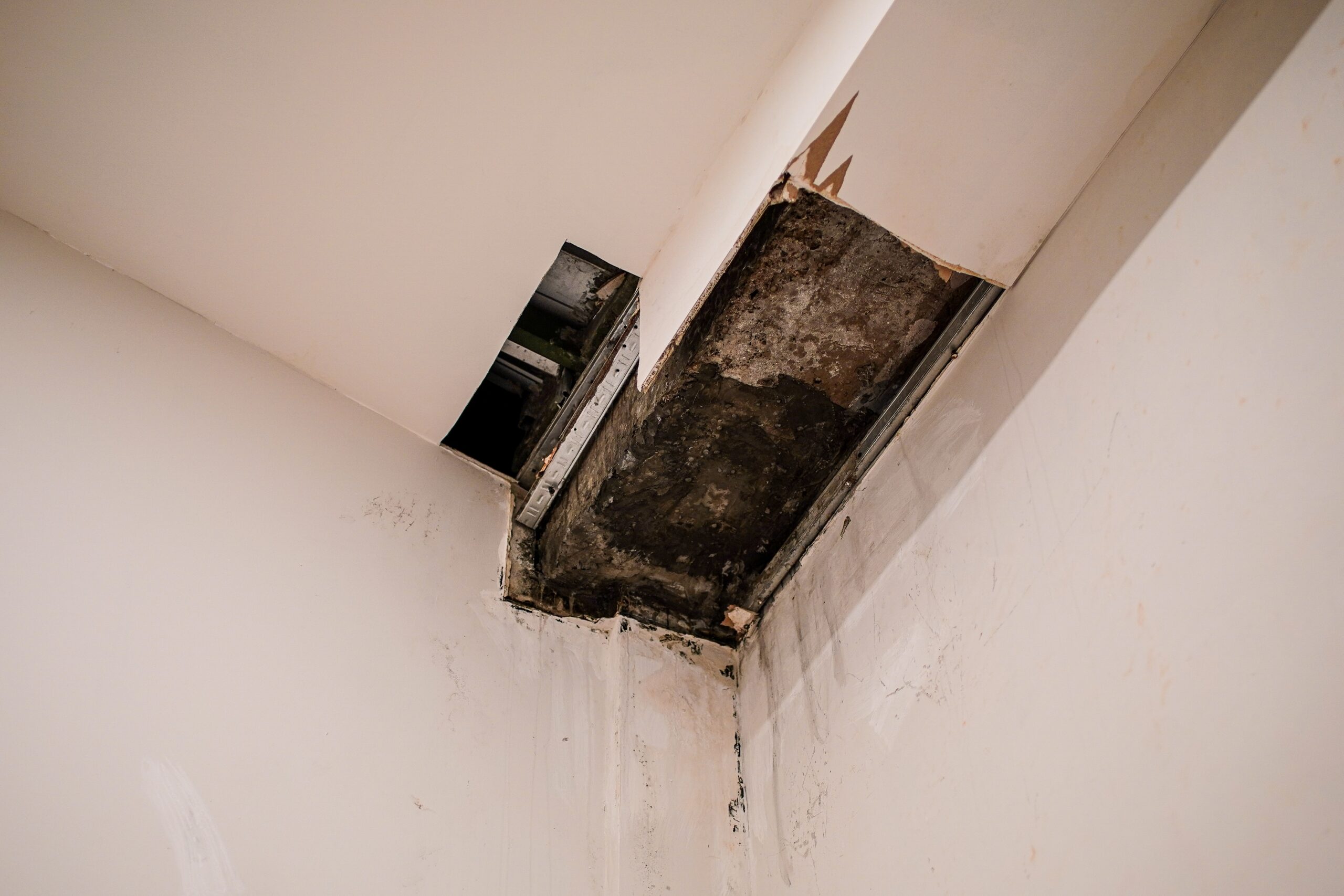
The Hidden Cost of “It Looks Dry”: Why Water Damage Problems Often Go Undetected in Buildings
When a leak stops or a flooded area dries, many building owners assume the problem is resolved. Surfaces look normal, carpets feel dry, and operations return to normal. Unfortunately, this is where one of the most misunderstood environmental risks in buildings begins. Hidden water damage often remains inside wall cavities, beneath flooring, and within HVAC systems long after visible moisture...
READ MORE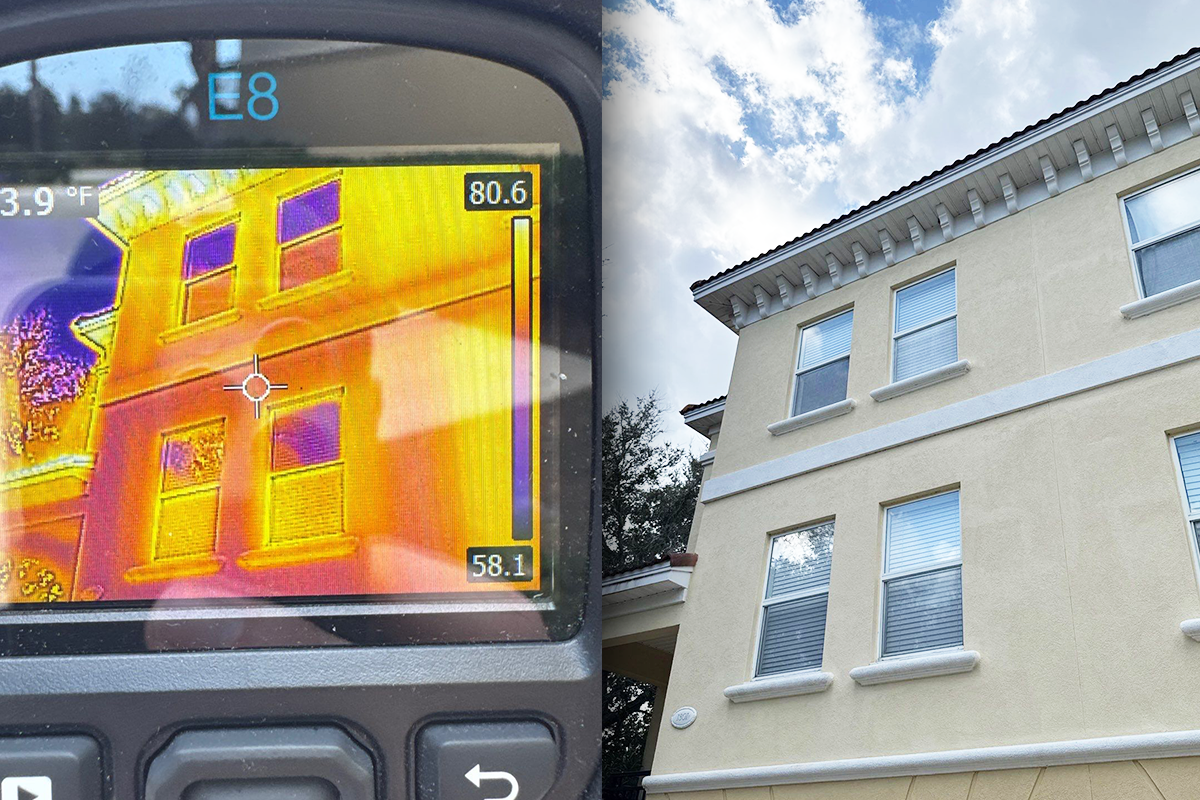
Spring Humidity Is Coming: How Rising Moisture Levels Can Quietly Impact Your Building’s Health
When a leak stops or a flooded area dries, many building owners assume the problem is resolved. Surfaces look normal, carpets feel dry, and operations return to normal. Unfortunately, this is where one of the most misunderstood environmental risks in buildings begins. Hidden water damage often remains inside wall cavities, beneath flooring, and within HVAC systems long after visible moisture...
READ MORE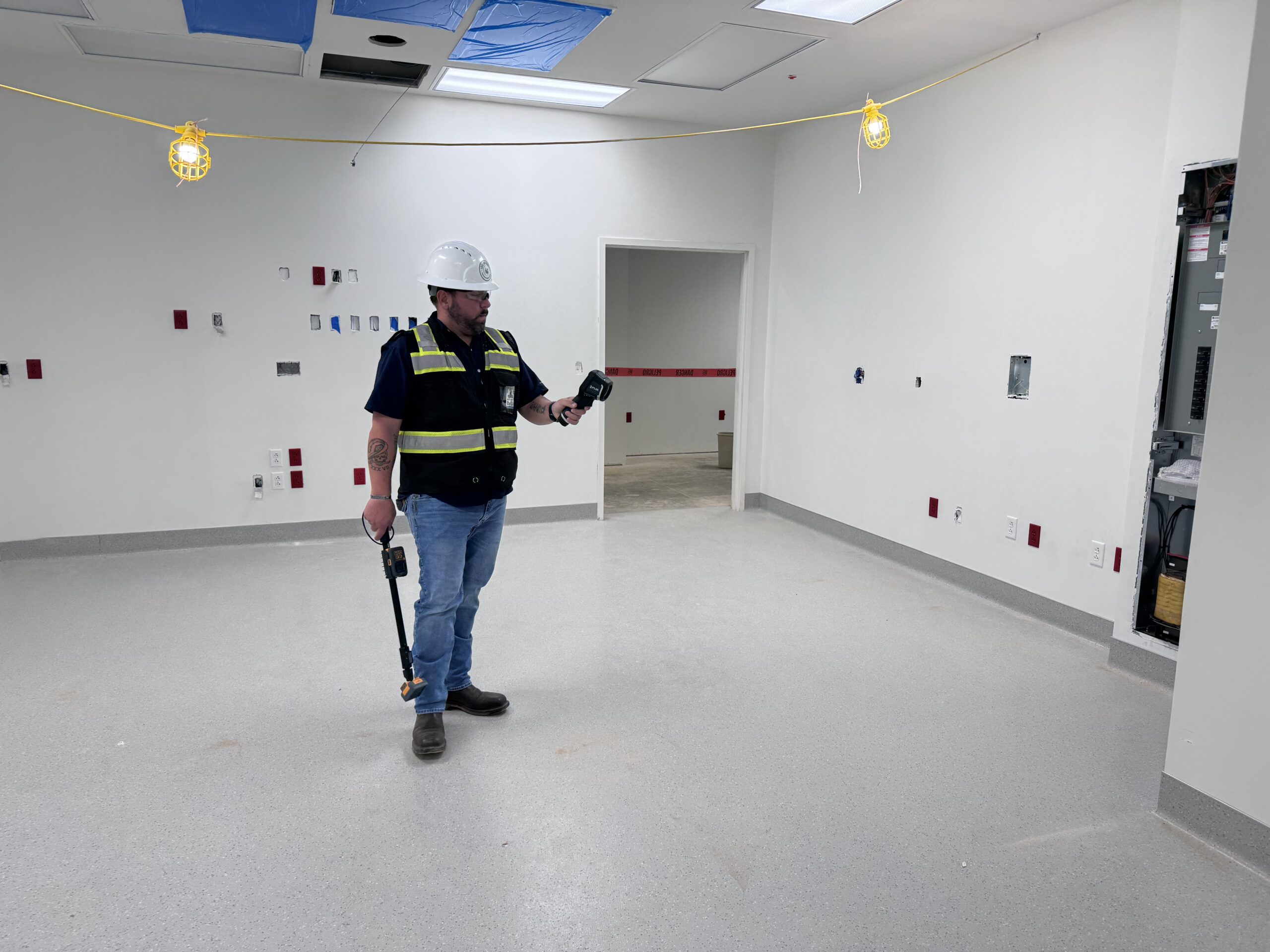
Planning a Renovation This Year? What Facility Managers Should Know About Hidden Environmental Hazards
February is when many organizations begin budgeting and scheduling spring and summer capital improvements. From classroom upgrades and office remodels to HVAC replacements and tenant improvements, renovation season moves quickly. But before demolition begins, facility managers should pause and ask a critical question: What environmental hazards could be disturbed during this project? Without proper pre-renovation environmental testing, hidden contaminants can...
READ MORE
Valentine’s and Ventilation: Why Indoor Air Quality Matters for Workplace Well-Being in February
February is the month we associate with care, connection, and well-being. While Valentine’s Day highlights personal relationships, it’s also the perfect time to show care for the people who work, learn, and gather inside your building. One of the most meaningful ways to do that? Prioritizing workplace indoor air quality. During winter, buildings operate differently. Windows stay closed, HVAC systems...
READ MORE
Sick Building Syndrome Explained: How Indoor Environments Impact Health, Focus, and Productivity
Modern buildings are designed to be energy efficient, comfortable, and productive. Yet many offices, schools, and commercial spaces quietly contribute to headaches, fatigue, respiratory irritation, and reduced focus among occupants. These effects are often grouped under a term many people have heard, but few fully understand: Sick Building Syndrome. Sick Building Syndrome, commonly referred to as SBS, describes a pattern...
READ MORE