


Your Building Passed Its Last Inspection. That Doesn't Mean the Air Is Clean
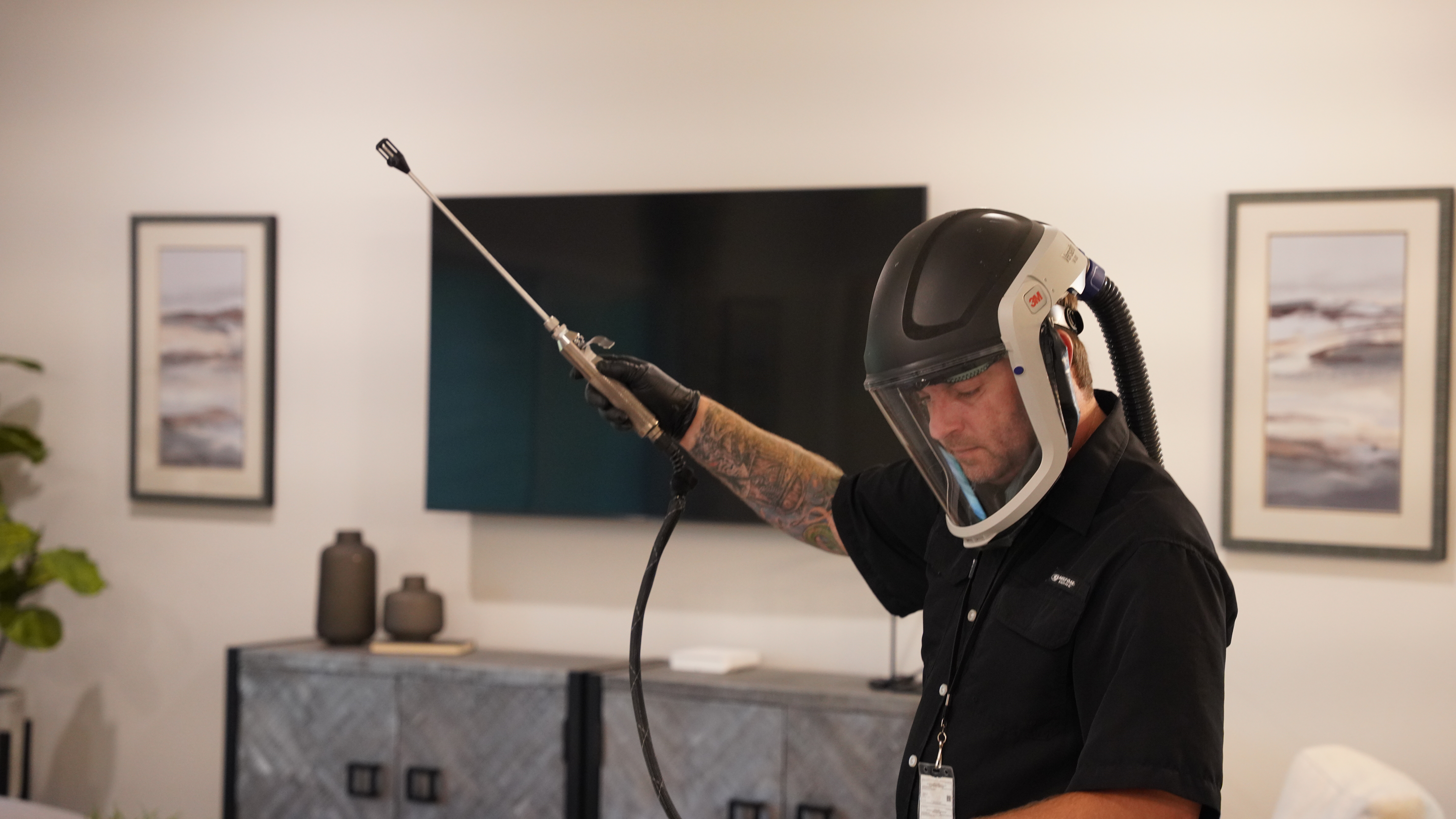
September brings fuller classrooms, busier offices and a return to normal operating schedules across Florida. Building owners and facility managers are reviewing maintenance records, confirming required inspections and preparing HVAC equipment for heavier occupancy. All of that matters, but it doesn’t answer a different question: What is actually in the air occupants are breathing? A passed inspection confirms that the...
READ MORE
After the Storm: What Florida Homeowners Should Check Before Mold Has a Chance to Start
August falls in the heart of Florida’s rainy season and marks the beginning of the Atlantic hurricane season’s most active period. Daily thunderstorms, wind-driven rain, tropical systems, and slow-moving bands of heavy precipitation can all expose homes to water intrusion. Even during a below-normal hurricane season like (2026 is expected to be), a single storm can cause serious localized damage....
READ MORE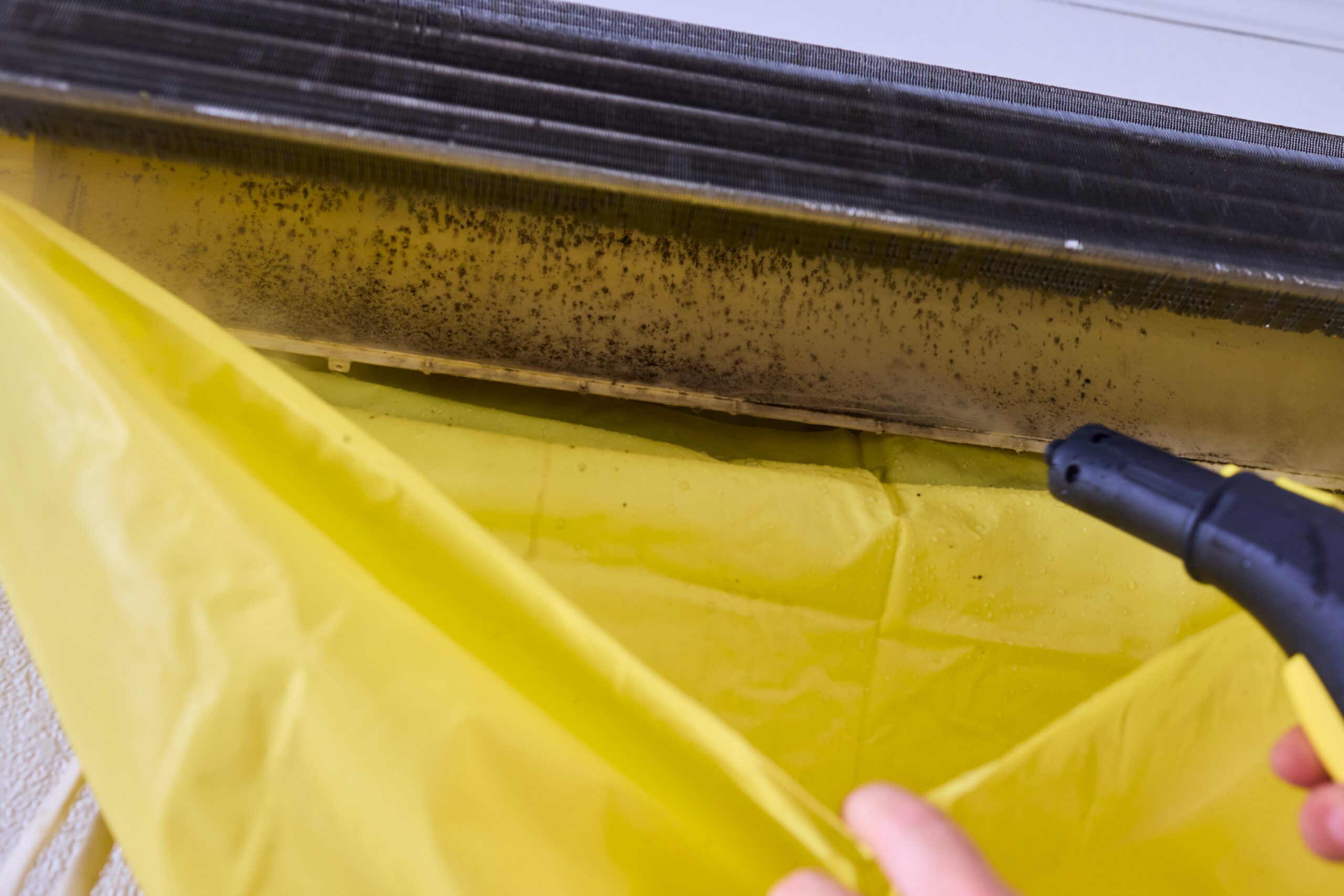
Your AC Is Working Overtime To Keep You Cool…But Is It Making Your Air Quality Worse?
Summer heat and humidity feels like it gets more intense with every passing year. By July, Florida air conditioners rarely get a break. They run through hot afternoons, humid evenings, and long stretches when opening a window isn’t practical. Constant cooling may keep your home or workplace comfortable, but it doesn’t automatically mean the air is clean or healthy. An...
READ MORE
Why Florida's Rainy Season Is the Worst Time to Ignore a Musty Smell
July in Florida has a familiar rhythm. The morning starts bright, the air gets heavier by midday, and an afternoon thunderstorm rolls through before dinner. Inside your home, that repeated cycle of heat, rain, and humidity can expose moisture problems that were easy to miss during drier months. Often, the first clue isn’t a water stain or visible patch of...
READ MORE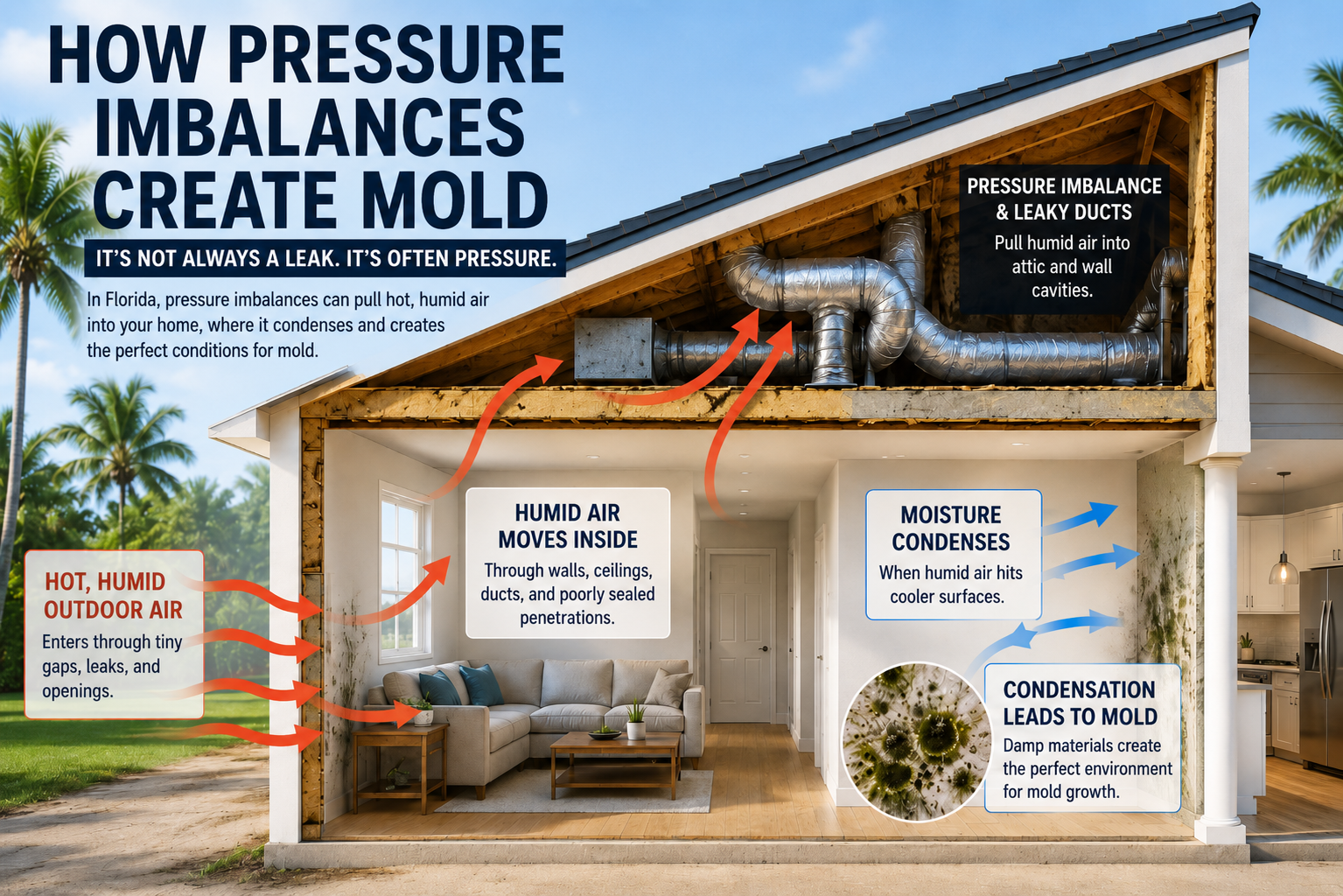
What Causes Mold Growth in a Florida Home? Start With Pressure Relationships
When most Florida homeowners think about mold, they picture a roof leak, a burst pipe, or a bathroom that never quite dries out. Those are real causes, of course. But one of the biggest contributors to mold growth in a Florida home is something most people never see: air pressure. Your home isn’t just a collection of rooms. It’s a...
READ MORE