

What Happens Inside Your Walls After a Storm: The Hidden Water Damage Timeline
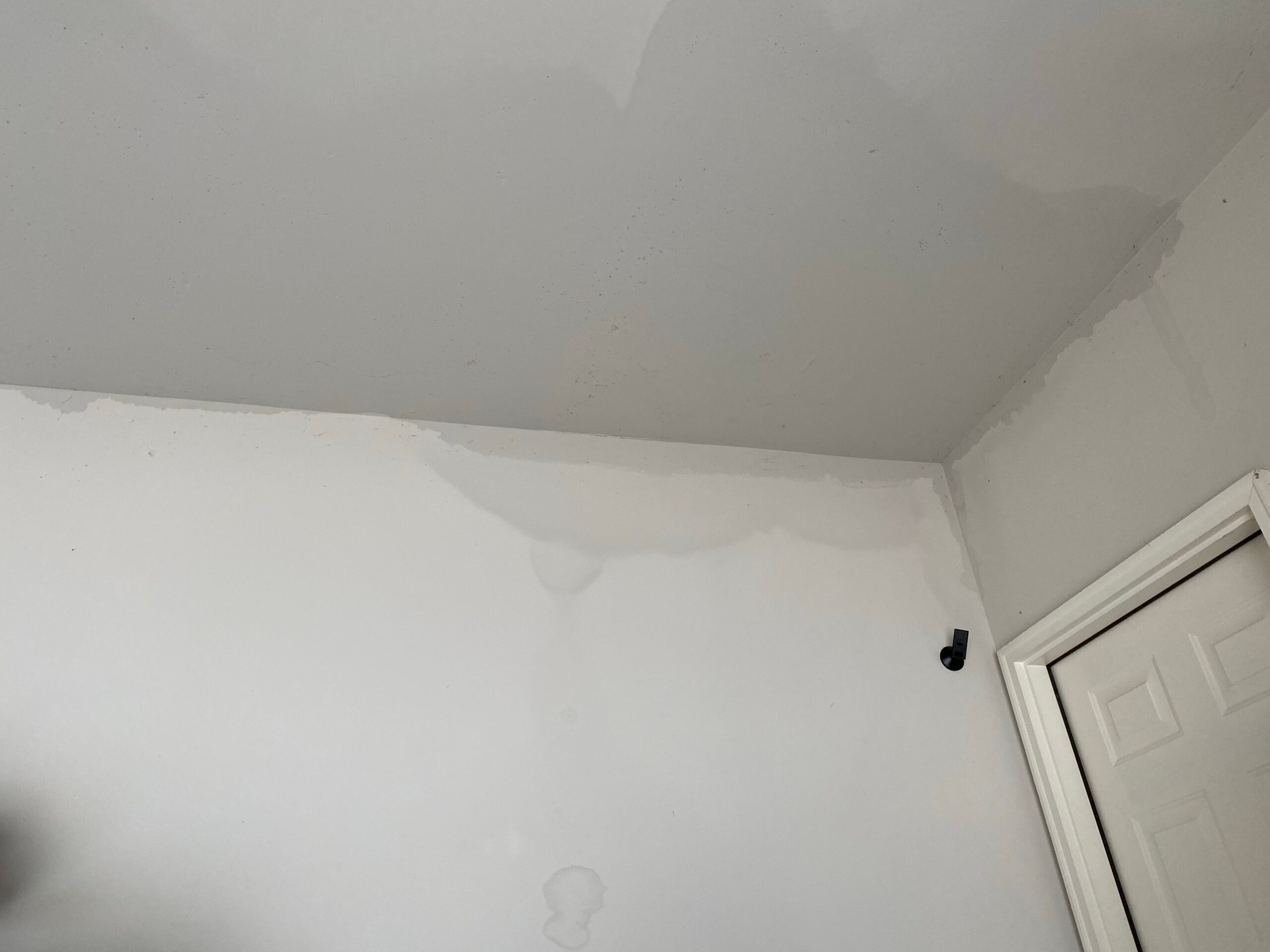
September marks the climatological peak of the Atlantic hurricane season. According to the National Hurricane Center, Atlantic tropical cyclone activity typically peaks around September 10, with most activity occurring between mid-August and mid-October. For Florida property owners, the concern doesn’t end when the wind and rain stop. Storm-driven water can enter through damaged roofing, flashing, soffits, windows, doors, and exterior...
READ MORE
Why Florida's Rainy Season Is the Worst Time to Ignore a Musty Smell
July in Florida has a familiar rhythm. The morning starts bright, the air gets heavier by midday, and an afternoon thunderstorm rolls through before dinner. Inside your home, that repeated cycle of heat, rain, and humidity can expose moisture problems that were easy to miss during drier months. Often, the first clue isn’t a water stain or visible patch of...
READ MORE
Why Florida Homes That Feel “Dry” Still Have Moisture Problems
A Florida home can feel cool, comfortable, or even “dry” and still have a serious moisture problem. That happens because comfort and moisture are not the same thing. A house may feel better after the AC runs, but humidity can stay trapped in walls, vents, closets, insulation, or other low-airflow areas. Can a Florida home feel dry and still have...
READ MORE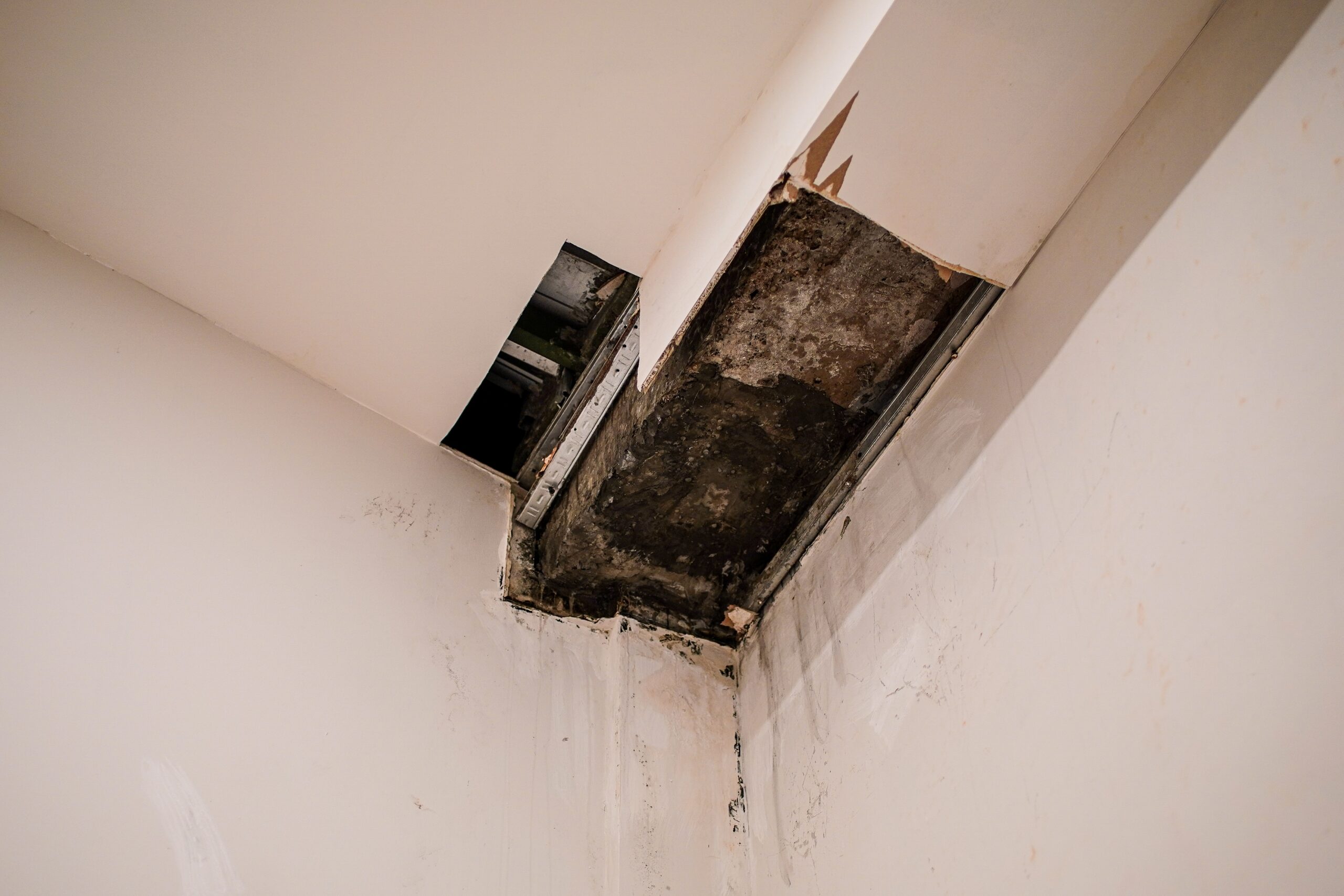
The Hidden Cost of “It Looks Dry”: Why Water Damage Problems Often Go Undetected in Buildings
When a leak stops or a flooded area dries, many building owners assume the problem is resolved. Surfaces look normal, carpets feel dry, and operations return to normal. Unfortunately, this is where one of the most misunderstood environmental risks in buildings begins. Hidden water damage often remains inside wall cavities, beneath flooring, and within HVAC systems long after visible moisture...
READ MORE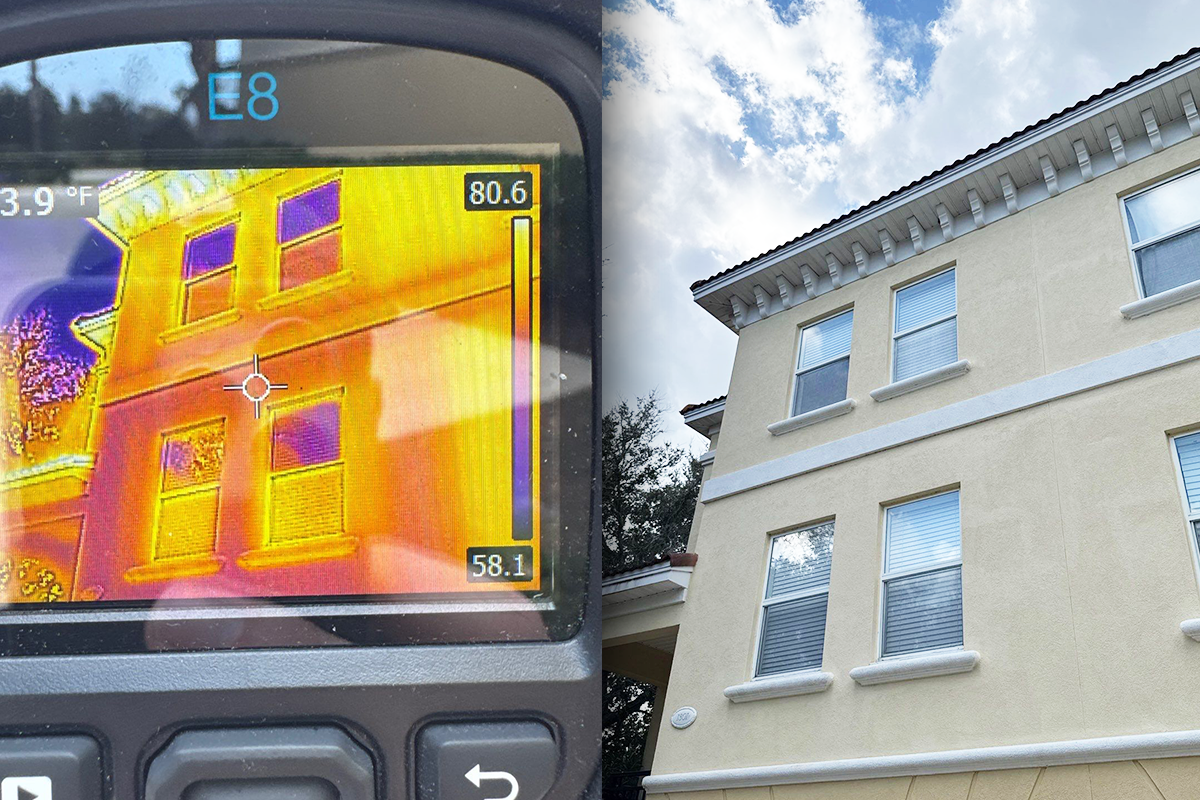
Spring Humidity Is Coming: How Rising Moisture Levels Can Quietly Impact Your Building’s Health
When a leak stops or a flooded area dries, many building owners assume the problem is resolved. Surfaces look normal, carpets feel dry, and operations return to normal. Unfortunately, this is where one of the most misunderstood environmental risks in buildings begins. Hidden water damage often remains inside wall cavities, beneath flooring, and within HVAC systems long after visible moisture...
READ MORE