


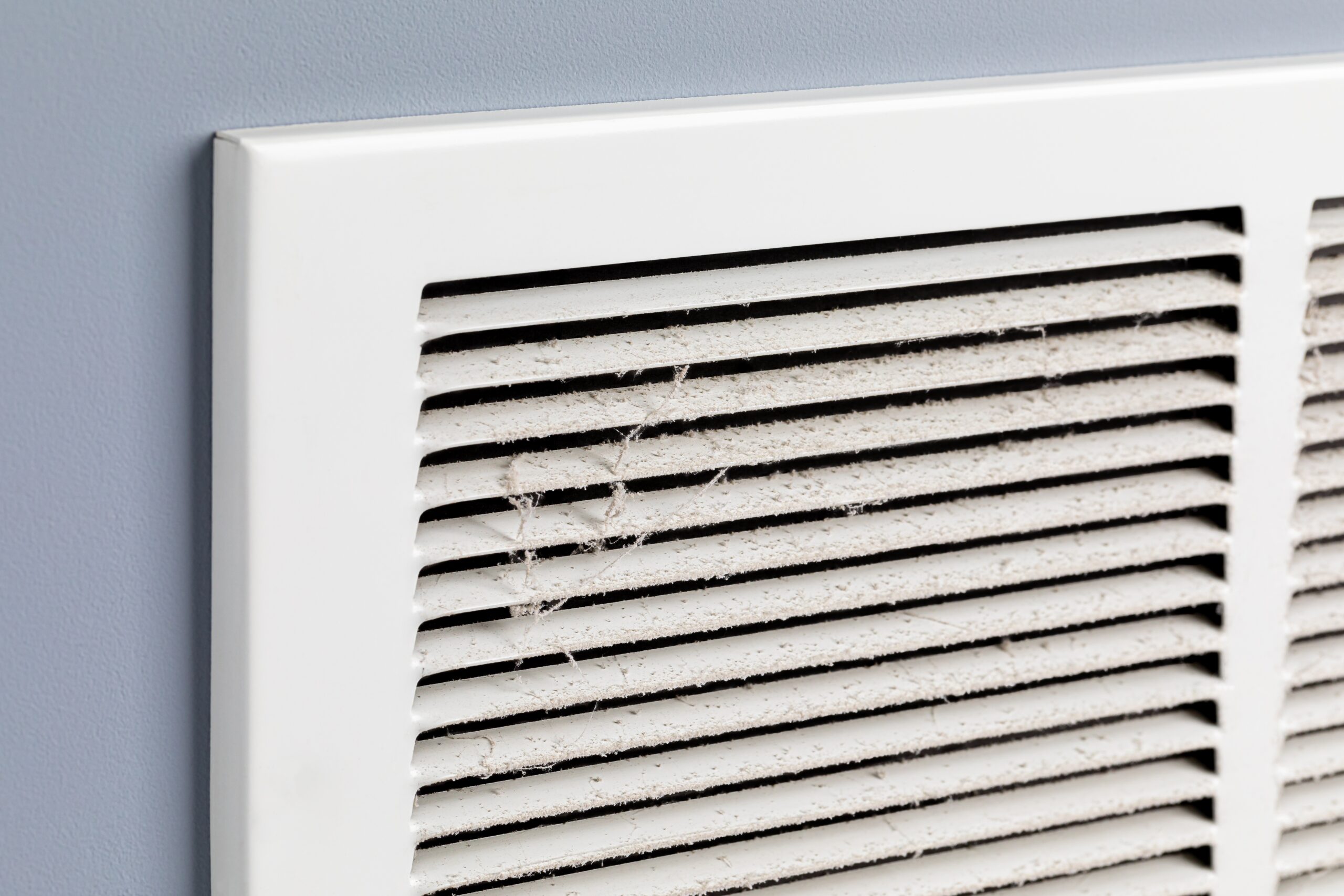
What’s Living in Your AC Vents This Summer?
When Florida summer settles in, your AC does a lot more than cool the house. In June and July, it often runs for hours at a time while windows stay shut, doors open less often, and humid outdoor air lingers around every entry point. That’s when many residents first start noticing signs of indoor air-quality allergens in their homes. The...
READ MORE
What Building Occupants Often Notice Before Indoor Air Quality Problems Are Discovered
Indoor air quality problems don’t always announce themselves with a visible leak, a stained ceiling tile, or a strong chemical smell. In many buildings, the first clues are quieter. They show up in repeated comments, subtle behavior changes, and patterns that are easy to dismiss at first. Someone says they always get a headache in the conference room. A teacher...
READ MORE
Why “Clean” Doesn’t Always Mean Safe After a Mold Problem
When a mold problem is discovered, the first instinct is often simple: remove what you can see, wipe down the surface, get rid of the stain, and move on. Once the wall looks clean or the odor fades for a few days, it’s easy to assume the space is safe again. But mold doesn’t always follow what we can see....
READ MORE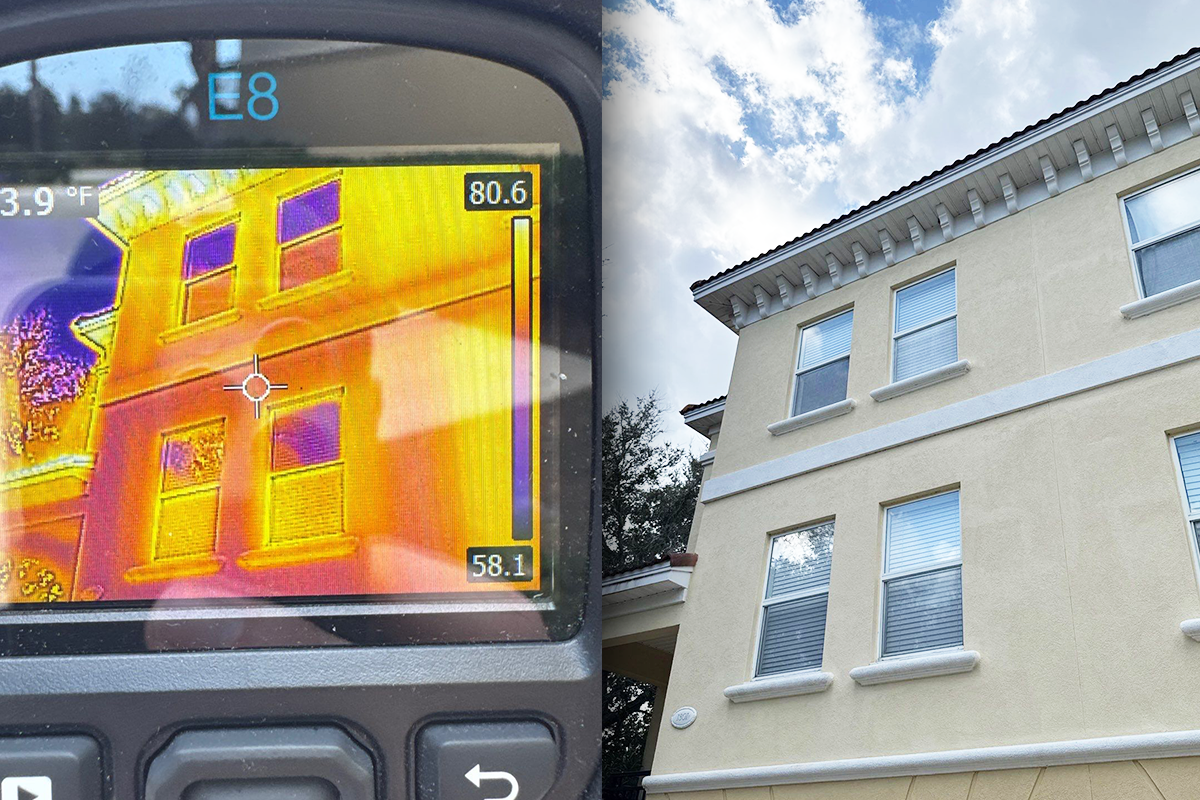
Spring Humidity Is Coming: How Rising Moisture Levels Can Quietly Impact Your Building’s Health
When a leak stops or a flooded area dries, many building owners assume the problem is resolved. Surfaces look normal, carpets feel dry, and operations return to normal. Unfortunately, this is where one of the most misunderstood environmental risks in buildings begins. Hidden water damage often remains inside wall cavities, beneath flooring, and within HVAC systems long after visible moisture...
READ MORE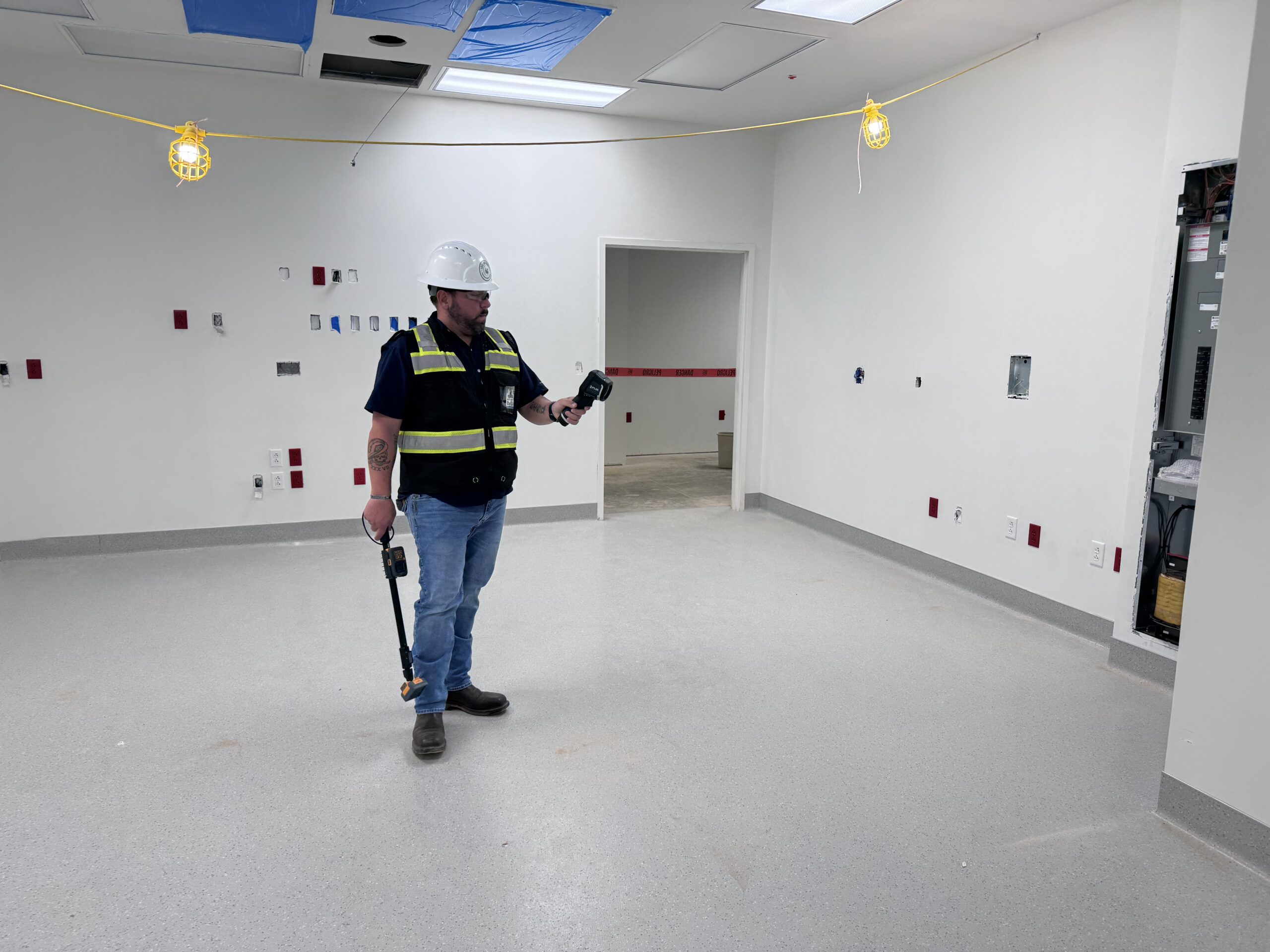
Planning a Renovation This Year? What Facility Managers Should Know About Hidden Environmental Hazards
February is when many organizations begin budgeting and scheduling spring and summer capital improvements. From classroom upgrades and office remodels to HVAC replacements and tenant improvements, renovation season moves quickly. But before demolition begins, facility managers should pause and ask a critical question: What environmental hazards could be disturbed during this project? Without proper pre-renovation environmental testing, hidden contaminants can...
READ MORE